
Solar Charge Controllers
Προβάλλονται όλα - 10 αποτελέσματαSorted by latest
-
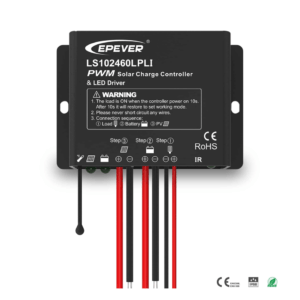
Epever-LS-LPLI Series 10A PWM Charge Controller
€36.00SKU: 500016
Stock status: In stock
-
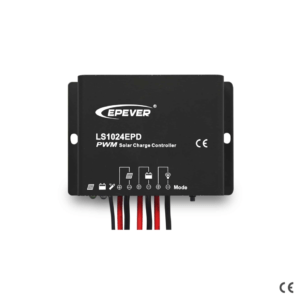
Epever-LS-EPD Series 10A PWM Charge Controller
€45.00SKU: 500019
Stock status: In stock
-
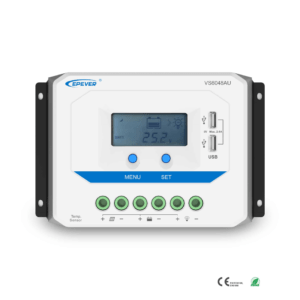
Epever-VS-AU Series 30A PWM Charge Controller
€65.00SKU: 500074
Stock status: In stock
-
Epever-VS-AU Series 45A PWM Charge Controller
€135.00SKU: 500076
Stock status: In stock
-
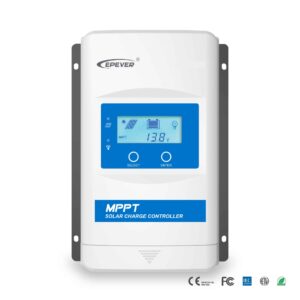
EP Solar XTRA4415N-2000W
€344.00SKU: 500072
Stock status: In stock
-
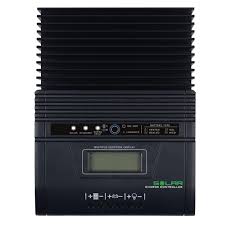
SCC-MPPT-600W
€258.00SKU: 500027
Stock status: In stock
-
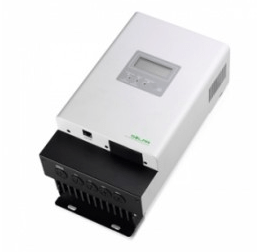
SCC-MPPT-3000W
€380.00SKU: 500026
Stock status: In stock
-
Epever-VS-AU Series 20A PWM Charge Controller
€60.00SKU: 500073
Stock status: In stock
-
Epever-VS-AU Series 45A PWM Charge Controller (12/24/36/48 Auto Detection)
€80.00SKU: 500075
Stock status: In stock
-
Epever-VS-AU Series 60A PWM Charge Controller (12/24/36/48 Auto Detection)
€165.00SKU: 500077
Stock status: In stock
A solar charge controller is the electronic device used to regulate current and voltage flowing from solar panels into a battery bank, and choosing the right type determines how efficiently your off-grid system stores the energy your panels generate.
This range at Trikkis Energy covers both PWM charge and MPPT charge controller technologies, giving installers and self-builders in Cyprus the flexibility to match the controller to their system size and budget. Epever PWM controllers run from 10A through to 60A with automatic 12/24/36/48 volt battery voltage detection, making them a practical choice for smaller off-grid applications such as cabins, marine installations, and agricultural pumping stations.
The MPPT controller range, including the SCC-MPPT-600W, the SCC-MPPT-3000W, and the EP Solar XTRA4415N at 2000W, extracts significantly more power from solar panels under variable conditions by continuously tracking the maximum power point of the array.
Many models include a load output with automatic lighting control function, allowing the controller to switch connected loads on and off based on battery voltage thresholds or time schedules. Explore the full selection below or contact Trikkis Energy for guidance on sizing and controller accessories for your specific installation.
Find Relevant Products:
What are the two main types of solar charge controllers?
The two types are PWM and MPPT. A PWM charge controller connects panels directly to the battery and reduces current as the battery fills, making it simple and cost-effective for smaller systems. An MPPT controller continuously tracks the maximum power point of the solar array, extracting up to 30% more energy and suiting larger or more demanding off-grid applications.
What is the difference between PWM and MPPT solar charge controllers?
PWM controllers match the panel voltage to the battery voltage, which is efficient only when both are closely matched. MPPT controllers actively find the panel's peak power output and convert excess voltage into additional current, delivering more charge to the battery regardless of conditions. MPPT technology is particularly effective in cooler morning temperatures when panel voltage is highest.
What current rating do I need for my solar charge controller?
Current rating depends on your total panel wattage and battery bank voltage. Divide the panel wattage by the battery voltage to find the approximate current; then add a 25% safety margin and select the next standard rating above that figure. For example, a 400W array at 24V produces roughly 16.7A, so a 20A or 30A controller is appropriate.
What voltage systems do these solar controllers support?
Most Epever PWM controllers in this range feature automatic 12/24/36/48 volt detection, meaning the unit identifies the battery bank voltage on first connection and configures itself accordingly. This removes the need for manual voltage selection and makes them suitable across a wide variety of off-grid applications without risking configuration errors during installation.
What is MPPT and why does it improve solar charging efficiency?
Generally no. Hybrid inverters include an integrated MPPT charge controller as part of their design, managing panel input and battery charging internally. Standalone solar charge controllers are used primarily in off-grid systems that lack an inverter with built-in MPPT, or in smaller auxiliary systems such as caravans, boats, and remote monitoring equipment running on dedicated battery banks.
Why are solar charge controllers important for off-grid systems in Cyprus?
Cyprus delivers some of the highest solar irradiance levels in Europe, meaning off-grid panels routinely produce their rated output for extended periods. Without a properly sized charge controller, that sustained high current would overheat and degrade batteries within months. A correctly specified controller protects the battery investment, extends service life considerably, and ensures the system operates safely through the intense summer charging season.