
Grid Inverters & Accessories
Βλέπετε 49–60 από 107 αποτελέσματαSorted by latest
-

HUAWEI SUN2000-10KTL MAPO
€1,461.68SKU: 200345
Stock status: In stock
-
HUAWEI SUN2000-12KTL MAPO
€1,617.82SKU: 200346
Stock status: In stock
-

Huawei Smart Power Sensor DTSU666-HW 80A Direct or External CTS 1 OR 5A Secondary site (3 Phase Supply)
€226.29SKU: 200356
Stock status: In stock
-

Luna 2000-7-E1 Battery 7Kwh
€2,957.15SKU: 700053
Stock status: On backorder
-
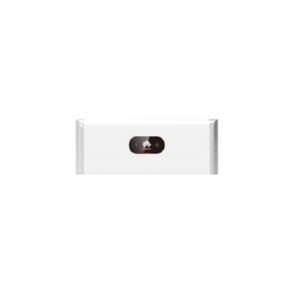
Luna 2000-10kW-C1 Smart String Controller
€1,051.18SKU: 500080
Stock status: In stock
-
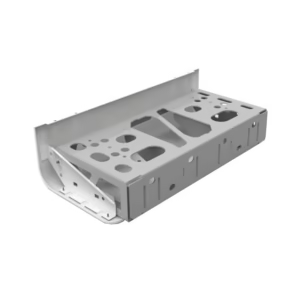
Luna 2000 Wall Mounting Bracket for E1
€151.04SKU: 700061
Stock status: In stock
-
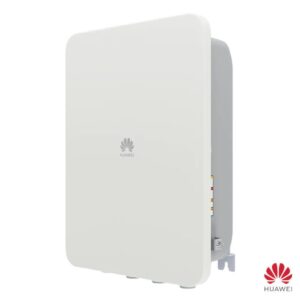
SmartGuard-63A-SO 1phase BackUp 20ms
€728.74SKU: 320191
Stock status: In stock
-
SmartGuard-63A-TO 3phase BackUp 20ms
€928.06SKU: 320192
Stock status: In stock
-
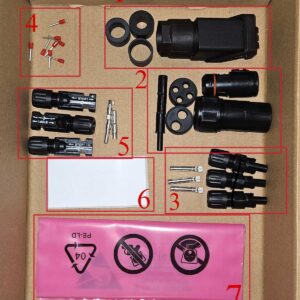
Service Box Huawei 1phase
€72.00SKU: 200340
Stock status: On backorder
-
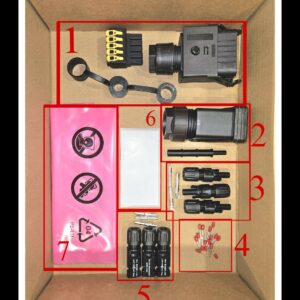
Service Box Huawei 3phase
€74.29SKU: 200339
Stock status: On backorder
-
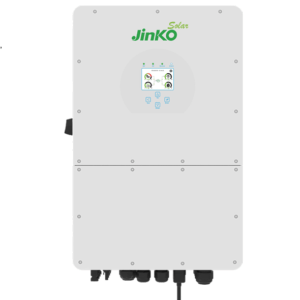
JINKO SUNTANK JKS-8H-EI
€1,382.00SKU: 200359
Stock status: In stock
-
JINKO SUNTANK JKS-10H-EI
€1,472.00SKU: 200360
Stock status: In stock
Grid inverters in Cyprus are the core component of any photovoltaic system, converting DC electricity generated by solar panels into AC power that homes and businesses can use directly or feed into the grid. Trikkis Energy supplies an extensive range of grid inverters from leading manufacturers, covering single phase residential systems through to large-scale three-phase commercial installations, with output capacities spanning from 2kW up to 330kW.
The selection includes hybrid inverter options with integrated battery management, smart energy controller accessories, PV optimisers, power sensors, and monitoring devices, giving installers and system owners everything needed in one place. Built for Cyprus conditions and fully compatible with net metering requirements, these solar inverters are sourced from certified manufacturers with proven track records across thousands of local installations. Browse the full range below, or request a tailored offer for your specific system design.
Find Relevant Products:
What is the difference between a standard grid inverter and a hybrid inverter?
A standard grid inverter converts solar power for immediate use or export only. A hybrid inverter adds a battery management layer, allowing the system to charge connected storage and draw from it during low-generation periods or outages. Hybrid models, such as the Jinko SunTank and Deye SG series available here, suit installations where backup power or self-consumption maximisation is a priority.
What is MPPT and why does it matter for solar inverters?
MPPT, or Maximum Power Point Tracking, is the algorithm a solar inverter uses to extract the highest possible output from panels under varying conditions, including partial shading, temperature changes, and shifting cloud cover. Inverters with dual or multiple MPPT inputs can manage strings of panels at different orientations or tilt angles independently, improving overall system yield.
What accessories are available alongside grid inverters in this category?
Here you will find a complete range of equipment that enhances your installation: optimisers to maximise the performance of each panel individually, smart power sensors and smart meters that allow you to monitor your system’s production and consumption on single-phase and three-phase networks, SmartLoggers for data collection in large-scale units, SmartDongles so you can see what is happening from your mobile phone, Backup Boxes and SmartGuard switches for safe backup power, as well as battery units, such as Luna 2000, with smart controllers for complete energy storage.
Is net metering supported by the inverters available here?
Yes. All grid-tied and hybrid inverters in this range are compatible with the Cyprus net metering framework, which allows system owners to offset consumption against exported generation. Correct inverter selection, combined with an appropriate energy controller and power sensor, ensures your installation meets the technical requirements set by the local electricity authority and qualifies for the net metering tariff.