DC Cables
Προβάλλονται όλα - 11 αποτελέσματαSorted by latest
-
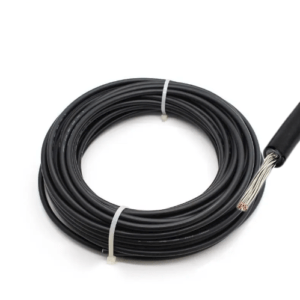
4mm Solar Cable-Black-1m
€0.80SKU: 300035
Stock status: In stock
-
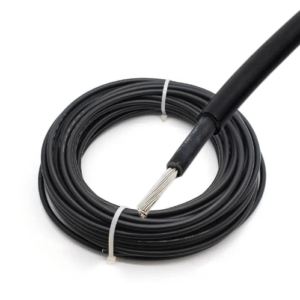
6mm Solar Cable-Black-1m
€1.23SKU: 300041
Stock status: In stock
-
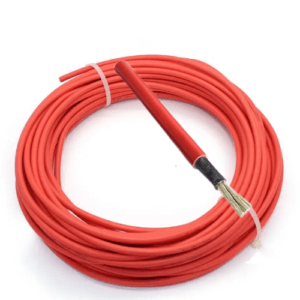
10mm Solar Cable-Red-1m
€2.09SKU: 300048
Stock status: In stock
-
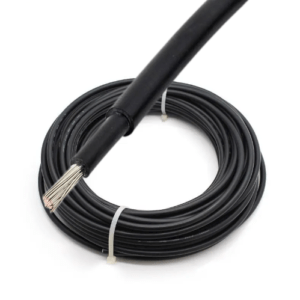
10mm Solar Cable-Black-1m
€2.09SKU: 300047
Stock status: In stock
-
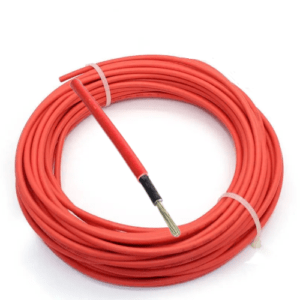
6mm Solar Cable-Red-1m
€1.23SKU: 300042
Stock status: In stock
-
4mm Solar Cable-Red-1m
€0.80SKU: 300036
Stock status: In stock
-
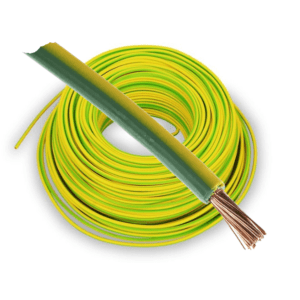
Single Wire 6mm Y/G
€1.10SKU: 300010
Stock status: In stock
-
Single Wire 10mm Y/G
€1.66SKU: 300011
Stock status: On backorder
-
Single Wire 16mm Y/G
€2.65SKU: 300012
Stock status: On backorder
-
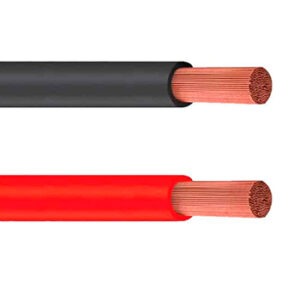
35mm Solar Cable-Black-1m
€7.38SKU: 300015
Stock status: In stock
-
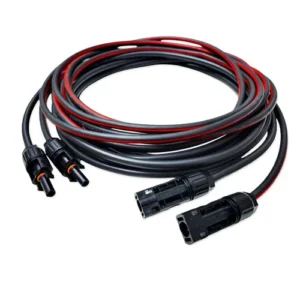
DIY-READY DC Cables with MC4 Connectors
€20.00SKU: 300015-1
Stock status: In stock
In Cyprus, rooftop cable runs operate under intense heat and sustained UV exposure for decades, which is why specifying the correct DC solar cable from the outset is a decision that affects both system safety and long-term energy yield.
KEI PV solar cables are designed specifically for connecting photovoltaic power supply systems, with conductors usually made from high-purity tinned copper that resists corrosion across decades of outdoor exposure. Cable insulation on these single core photovoltaic cables is rated to withstand the heat Cyprus summers produce at roof level, where surface temperatures regularly exceed 70°C.
The range covers 4mm, 6mm, 10mm, and 35mm cross-sections in red and black, along with yellow/green single wire for earthing circuits, all sold per metre so you buy precisely what your project requires. For installers who prefer a ready-to-terminate solution, the DIY-ready DC cables with MC4 connectors remove the need for crimping tools on site.
Correct cross-section selection directly affects voltage drop and current rating performance across the full length of your photovoltaic system, which is why having access to a knowledgeable solar cable supplier matters as much as the cable specification itself.
What cable sizes are available for solar installations?
This range covers 4mm, 6mm, 10mm, and 35mm cross-section solar cables in red and black, plus single-core earth wires in 6mm, 10mm, and 16mm yellow/green. Each size suits different string lengths, current ratings, and voltage drop tolerances. Larger cross-sections reduce resistance over longer cable runs, improving overall system energy performance significantly.
How do I choose the right DC cable size for my solar panels?
Cable selection depends on the maximum current your string or array produces and the total cable length between panels and inverter. As current increases or cable runs extend, a larger cross-section is required to keep voltage drop within acceptable limits. A 4mm cable suits shorter runs at lower current; 10mm or 35mm is appropriate for higher-output arrays or long distances.
What is voltage drop and why does it matter in a photovoltaic system?
Voltage drop is the reduction in electrical potential that occurs as current travels through a cable. In a solar system, excessive voltage drop between panels and the inverter reduces the power delivered, lowering overall yield. Selecting the correct cable cross-section for the run length and current rating keeps voltage drop below 1%, preserving system performance.
What does tinned copper mean and why is it used in solar cables?
Tinned copper refers to copper conductors coated with a thin layer of tin. This coating resists oxidation and corrosion, which is particularly important in outdoor photovoltaic installations exposed to humidity, heat, and UV radiation over many years. Conductors made from high-purity tinned copper maintain low resistance and reliable conductivity throughout the cable's service life.
What is a single core solar cable used for?
Single core DC cable carries current in one direction along a single conductor, making it the standard choice for photovoltaic string wiring. Red cables carry positive current from panels to the inverter; black cables carry the negative return. Yellow/green single wire serves as the earth conductor, bonding metal components to protect against fault currents and electric shock.
How should DC solar cables be installed outdoors safely?
Cables should be secured using UV-resistant cable ties or clips, routed away from sharp edges, and protected inside conduit where they pass through walls or across rooftops with heavy foot traffic. Avoid bundling positive and negative cables tightly together over long distances, as this can increase inductance. Always use the correct current rating and observe minimum bend radius to prevent insulation damage.
What is the difference between solar cable and standard electrical cable?
Standard electrical cables are designed for AC circuits at fixed indoor or buried installation conditions. Solar DC cables differ in their double insulation layer, higher voltage rating, UV and heat resistance, and tinned copper conductors. Using standard wiring in a photovoltaic system creates safety risks and may void equipment warranties; certified solar cable is always the correct choice for any PV installation.